


Using non-hypothesized based approaches for biomarker development
Using non-hypothesized based approaches for biomarker development
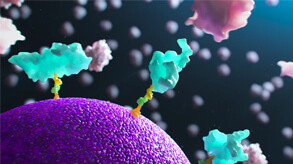
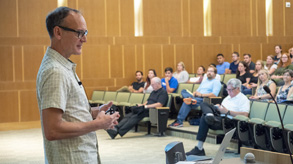
Jessica Gill, PhD, RN, FAAN, Bloomberg Distinguished Professor at Johns Hopkins School of Nursing, presents research on a highly multiplexed proteomic technique that used a DNA aptamers assay to target 1,305 proteins in plasma samples from athletes with and without a sports-related concussion (SRC). Researchers identified 338 plasma proteins significantly differed in abundance in concussed athletes compared to non-concussed athletes.
Learning objectives
- Understand current limits of protein quantification
- Describe ways to improve biomarker identification and measurement related to brain injuries
- Determine ways to address current limitations to personalized medicine approaches for brain injuries

Jessica Gill, PhD, RN, FAAN
Bloomberg Distinguished Professor
Johns Hopkins School of Nursing
Jessica Gill is a national leader in research on the biological mechanisms of traumatic brain injuries (TBI). She has spent decades investigating differential responses in military personnel, athletes, and other patients that have experienced TBIs and the mechanisms underlying these divergent responses. Specifically, Dr. Gill looks for ways to use biomarkers to identify which patients are at high risk for poor recovery and long-term effects including post-traumatic stress disorder, depression, and post-concussive syndrome, and to develop treatments.
After earning her PhD at JHSON, she went to the National Institutes of Health (NIH) to complete a postdoctoral fellowship at the National Institute of Nursing Research that focused on the biological mechanisms of PTSD and depression. At NIH, she also served as a senior investigator and acting deputy scientific director of the National Institute of Nursing Research and deputy director of the Center for Neuroscience and Regenerative Medicine. Dr. Gill was the first nurse to receive the Lasker Clinical Research Scholar Award, considered the most prestigious research grant given by the NIH. As Bloomberg Distinguished Professor of Trauma Recovery Biomarkers, she will hold primary appointments in the Johns Hopkins School of Nursing and the School of Medicine, Department of Neurology.
Using non-hypothesized based approaches for biomarker development
A presentation by Jessica Gill, PhD, RN, FAAN

More webinars
WebinarOpening the black box: Building and evaluating machine learning models for proteomics
Machine learning can be a powerful way to extract multivariate signals from high-dimensional proteomics data, but only when models are built and evaluated with rigor. In this on-demand webinar, explore a practical framework for developing predictive and explanatory models, with an emphasis on study design choices that help prevent data leakage, reduce overfitting, and improve reproducibility.
WebinarBeyond the trees: See the bigger biological picture with pathway enrichment analysis
Proteomic data holds enormous potential—but the biology is rarely contained in a single protein. When you’re handed a list of differentially abundant proteins, the next challenge is turning that list into a clear, testable story about mechanisms and processes.
WebinarFinding the signal: Identifying reproducible biomarkers in high-plex proteomics
In biomarker discovery, the challenge is rarely a lack of data. Rather, it is knowing how to separate meaningful biological signal from technical distraction. This webinar focuses on how to use univariate analysis as a practical and powerful entry point for biomarker discovery in high-plex proteomics studies.