


More than the sum of its parts: How harmonized proteomic data reveals meaning across disparate clinical cohorts
Why harmonization matters when proteomics data aren’t comparable
In high-throughput proteomics, data generated across different instruments, workflows, and cohorts can remain difficult to compare even after normalization. Harmonization addresses these study specific differences, enabling datasets to align and reveal meaningful biological signals. The the Global Neurodegeneration Proteomics Consortium (GNPC) illustrates this power by integrating 40,000 samples from 20 international groups to uncover insights not visible in isolated studies. In this webinar, you’ll learn when normalization falls short and how harmonization strengthens cross-study and longitudinal analysis.
In this webinar you’ll:
- Recognize when basic normalization falls short of making proteomic data truly comparable
- Understand how harmonization aligns datasets across plates, batches, studies, and time
- See how aligned datasets reveal biological signals that remain hidden after normalization alone
- Determine when adding harmonization can strengthen cross-study and longitudinal analyses

David Astling, PhD
David Astling is a service and support manager at Illumina. His team provides global scientific support, bioinformatics, and data consulting for SomaLogic customers— specializing in study design, data analysis, and extracting value from data. David has a PhD in Molecular and Cell Biology from the University of California at Berkeley. Prior to joining SomaLogic, David was a research associate in the bioinformatics core lab at the University of Colorado School of Medicine, collaborating on multiple next-generation sequencing projects.
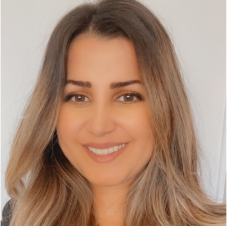
Tala Khosroheidari, PhD
Tala Khosroheidari is Director of Global Service and Support at Illumina, leading worldwide scientific and technical teams that support researchers across proteomics and multiomics. She joined SomaLogic in 2022 as Senior Director of Global Scientific Engagement, where she built global capabilities in bioinformatics, technical support, and field applications. Previously, she held leadership roles at Olink Proteomics and Illumina, and served as Core Lab Director at University of California San Diego. Tala holds advanced degrees in biotechnology, bioinformatics, and molecular biology, with deep expertise in genomics, proteomics, and translating complex data into meaningful biological insight.
More than the sum of its parts: How harmonized proteomic data reveals meaning across disparate clinical cohorts
A presentation by David Astling, PhD and Tala Khosroheidari, PhD

More webinars
WebinarOpening the black box: Building and evaluating machine learning models for proteomics
Machine learning can be a powerful way to extract multivariate signals from high-dimensional proteomics data, but only when models are built and evaluated with rigor. In this on-demand webinar, explore a practical framework for developing predictive and explanatory models, with an emphasis on study design choices that help prevent data leakage, reduce overfitting, and improve reproducibility.
WebinarBeyond the trees: See the bigger biological picture with pathway enrichment analysis
Proteomic data holds enormous potential—but the biology is rarely contained in a single protein. When you’re handed a list of differentially abundant proteins, the next challenge is turning that list into a clear, testable story about mechanisms and processes.
WebinarFinding the signal: Identifying reproducible biomarkers in high-plex proteomics
In biomarker discovery, the challenge is rarely a lack of data. Rather, it is knowing how to separate meaningful biological signal from technical distraction. This webinar focuses on how to use univariate analysis as a practical and powerful entry point for biomarker discovery in high-plex proteomics studies.