


Serum Autoantibodies Differentiate Rheumatoid Arthritis Subgroups
Advancing Rheumatoid Arthritis Research: Distinct Autoantibody Signatures in ACPA+ and ACPA- Patients
Patients with rheumatoid arthritis (RA) can be categorized as either anti-citrullinated protein antibody-positive (ACPA+) or negative (ACPA-). In this webinar, Dr. Sung will present his research exploring a broad range of serological autoantibodies to uncover immunological differences between these RA subgroups using data from ACPA+ RA patients, ACPA- RA patients, and matched healthy controls.
Learning objectives
- Learn how 1600+ IgG autoantibodies from serum were screened, yielding biologically relevant and immunologically significant insights.
- Discover the distinct autoantibody profiles identified in ACPA+ and ACPA- patients.
- Understand which proteins and their associated biological processes were predominantly targeted by these autoantibodies.
- Explore the implications of autoantibody biomarkers in RA subgroups and their correlation with the Clinical Disease Activity Index, a measure of disease activity.
- Examine how autoantibody biomarker signatures have the potential to enhance patient stratification and could contribute to diagnostic accuracy in RA.
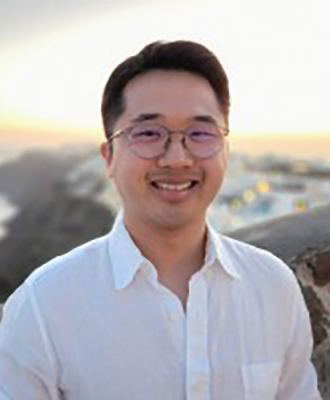
Jaeyun Sung, Ph.D
Senior Associate Consultant and Assistant Professor, Mayo Clinic
Jaeyun (Jae) Sung, PhD, is a computational biologist at Mayo Clinic in Rochester, MN. He holds the positions of Senior Associate Consultant and Assistant Professor in the Divisions of Surgery Research and Rheumatology, and the Center for Individualized Medicine’s Microbiomics Program. He received his BS in Chemical Engineering from Georgia Tech, followed by an MS and PhD in Chemical Engineering from the University of Illinois at Urbana-Champaign. Dr. Sung completed postdoctoral fellowships at the Asia-Pacific Center for Theoretical Physics in South Korea, and subsequently at Massachusetts General Hospital and the Broad Institute before joining Mayo Clinic.
The primary goal of Dr. Sung’s research is to develop novel computational tools to advance precision medicine, with a specific focus on patients with autoimmune/inflammatory disorders. His biomedical data science research group primarily analyzes multi-omic data to discover biomarkers and to understand the relationship between the human microbiome and health. In his free time, Jae enjoys traveling the world, playing sports, and catching up on his favorite podcasts and periodicals.
Serum Autoantibodies Differentiate Rheumatoid Arthritis Subgroups
A presentation by Jaeyun Sung, Ph.D.

More webinars
WebinarOpening the black box: Building and evaluating machine learning models for proteomics
Machine learning can be a powerful way to extract multivariate signals from high-dimensional proteomics data, but only when models are built and evaluated with rigor. In this on-demand webinar, explore a practical framework for developing predictive and explanatory models, with an emphasis on study design choices that help prevent data leakage, reduce overfitting, and improve reproducibility.
WebinarBeyond the trees: See the bigger biological picture with pathway enrichment analysis
Proteomic data holds enormous potential—but the biology is rarely contained in a single protein. When you’re handed a list of differentially abundant proteins, the next challenge is turning that list into a clear, testable story about mechanisms and processes.
WebinarFinding the signal: Identifying reproducible biomarkers in high-plex proteomics
In biomarker discovery, the challenge is rarely a lack of data. Rather, it is knowing how to separate meaningful biological signal from technical distraction. This webinar focuses on how to use univariate analysis as a practical and powerful entry point for biomarker discovery in high-plex proteomics studies.