



Using Antibody Profiling to Identify Novel Diagnostic Biomarkers
Unlocking the power of antibody profiling for cancer diagnostics
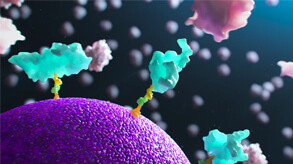
Current cancer screening methods often lead to false positives, false negatives and invasive biopsies that lack prognostic insights. Emerging research suggests that cancer-specific IgM and IgG antibodies – produced by B cells upon recognizing malignant cells – could serve as stable, easily measurable blood biomarkers for detecting and monitoring high-incidence cancers like melanoma and breast, prostate, bowel, lung and pancreatic cancer. This approach has the potential to improve early diagnosis, reduce uncertainty and enhance treatment planning.
In this webinar, you’ll learn:
- How cancer-specific antibodies (IgM and IgG) can be leveraged as biomarkers for early detection and prognosis
- The advantages of immune-based blood tests over conventional screening and biopsy methods
- Insights into ongoing research exploring the predictive value of antibody reactivity across different cancer stages

Jessica Da Gama Duarte, PhD
Jessica Da Gama Duarte obtained a PhD in Medical Biochemistry at the University of Cape Town, South Africa, in 2015, developing a novel protein microarray-based tumor antigen array. She was recruited as a postdoctoral research fellow by the Olivia Newton-John Cancer Research Institute, in the Cancer Immunobiology Program, to investigate the translational capacity of the array. In 2025, she was recruited by Monash University, School of Translational Medicine, as Laboratory Head and Senior Research Fellow.
Using Antibody Profiling to Identify Novel Diagnostic Biomarkers
A presentation by Jessica Da Gama Duarte

More webinars
WebinarMore than the sum of its parts: How harmonized proteomic data reveals meaning across disparate clinical cohorts
Proteomics data generated across sites, time points, and workflows can be difficult to compare using standard normalization alone. This webinar shows how harmonization aligns datasets into a shared biological framework and reveals signals across studies and cohorts, highlighted through the GNPC’s analysis of 40,000 patient samples.
WebinarRethinking Neurodegeneration Through Blood-Based Biomarkers
Proteomics is reshaping how we predict, diagnose, and understand neurodegenerative diseases. In this roundtable, leading experts Tony Wyss-Coray, PhD, and Jacob Vogel, PhD, explore the power of blood-based biomarkers, from deep molecular studies to global-scale datasets using the SomaScan™ Assay. They discuss how protein signatures can reveal brain aging, predict dementia, and track changes in disease pathways over time, with moderation by Steve Williams, MD, PhD. Learn how cutting-edge proteomics is redefining what is possible in neurological research.
WebinarProteomics in Clinical Trials: Lessons from Semaglutide Treatment in Individuals with Obesity
Advancements in proteomic profiling have opened new avenues for understanding the complex mechanisms underlying obesity and its comorbidities. By measuring thousands of proteins at once, researchers gain a comprehensive view of an individual’s metabolic health, revealing subclinical processes and pinpointing potential therapeutic targets.